

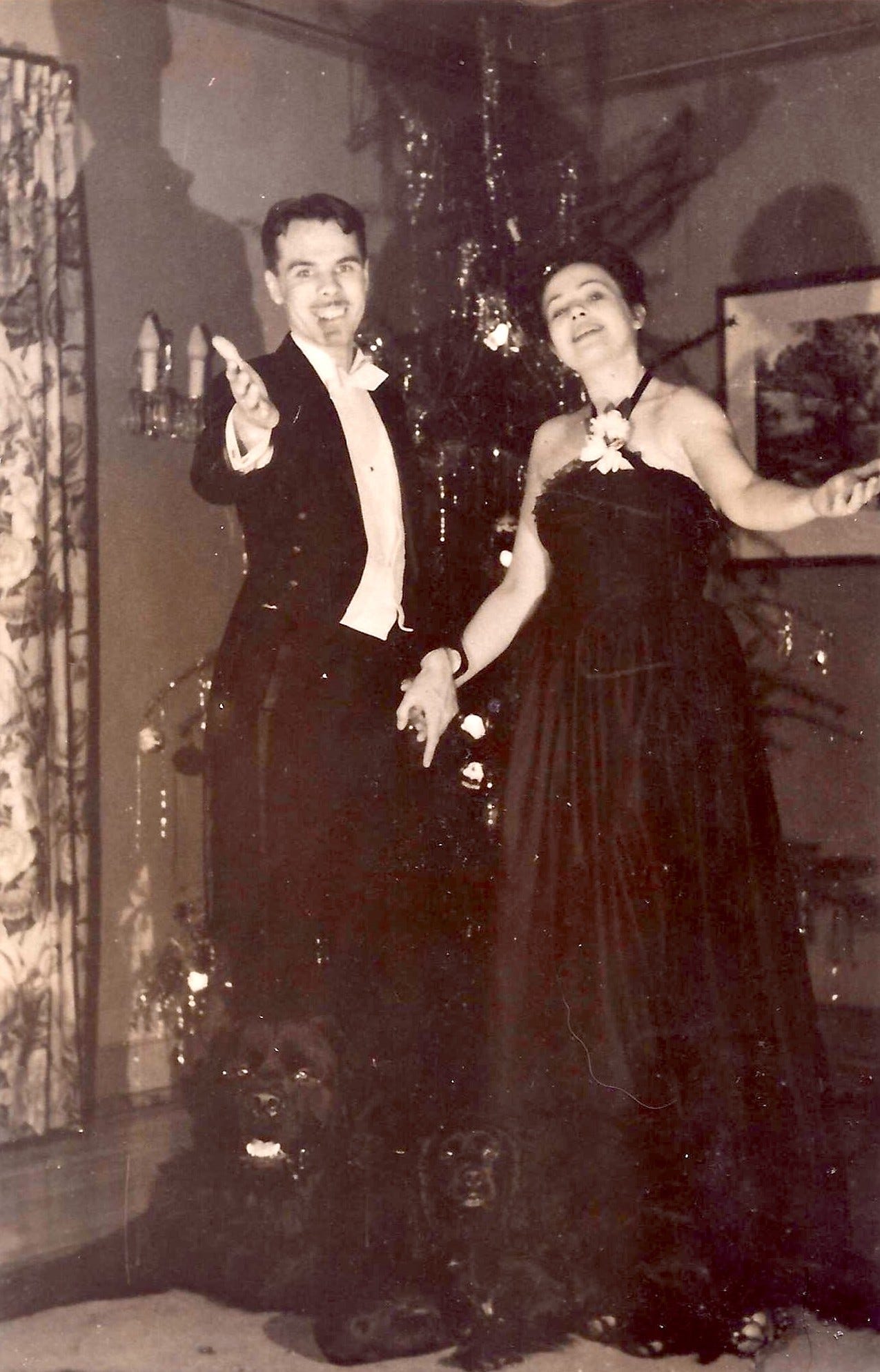
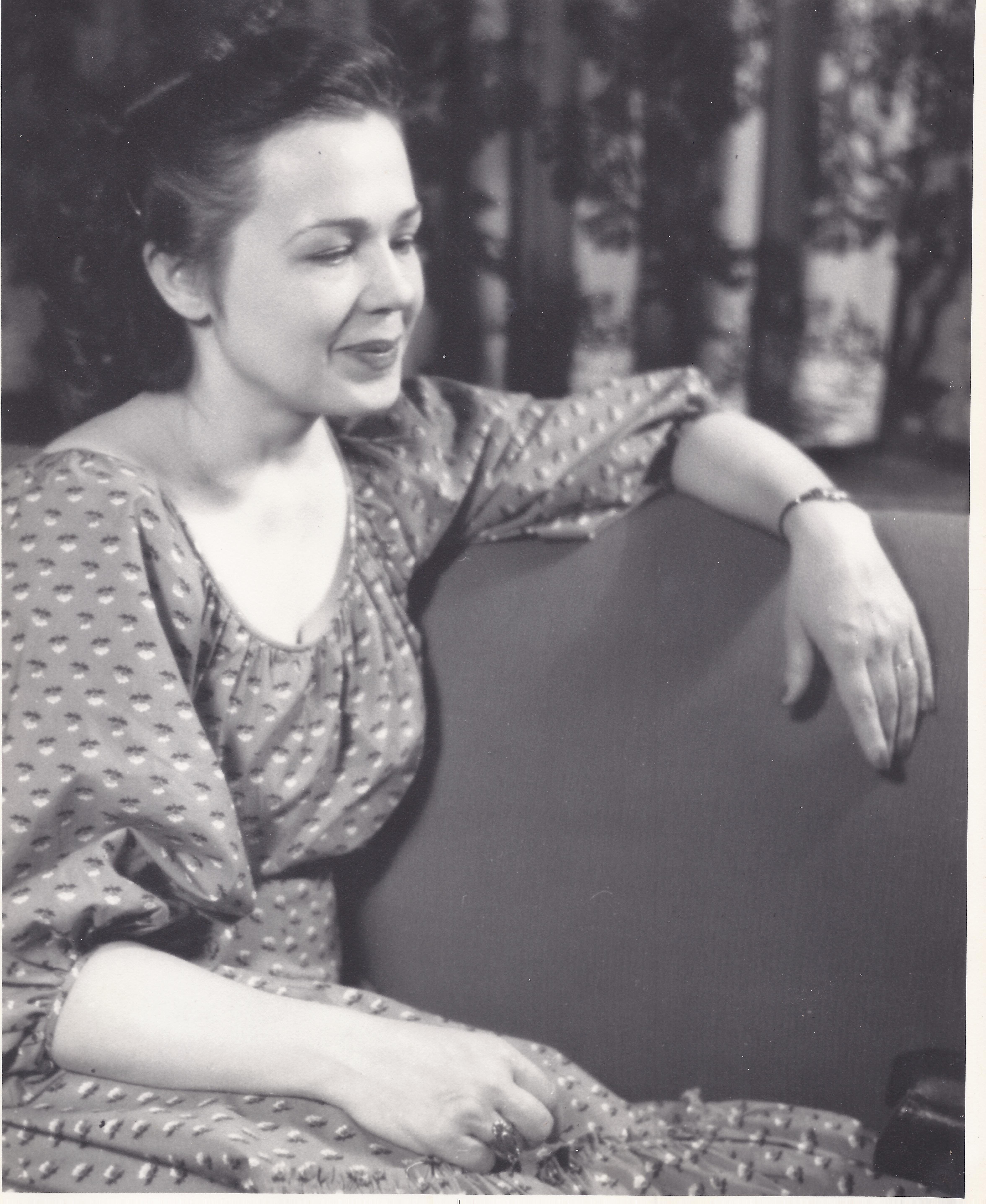
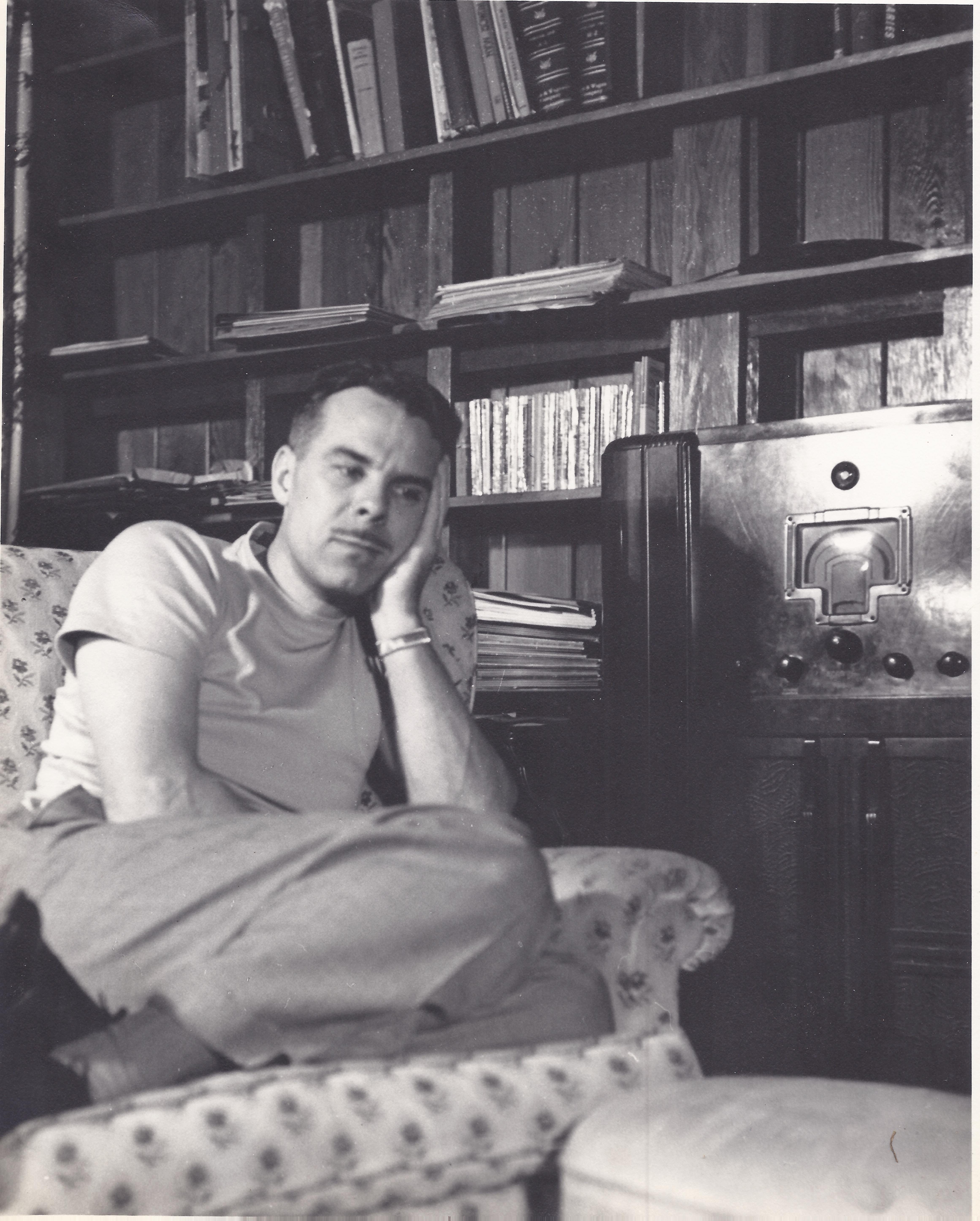
Seventy-five years ago, my screenwriter parents lived through the Hollywood blacklist, part of the Red Scare politics of the time. Here they are on New Year’s Eve 1939, and in the early fifties.
The president has now begun to fling the term Communist at anyone who displeases him, from hecklers to the entire Democratic party. This is not just an echo of that older time, it is an almost verbatim reenactment, featuring the bones of Joseph McCarthy and Roy Cohn rising from whatever poisoned ground they’ve been lying in.
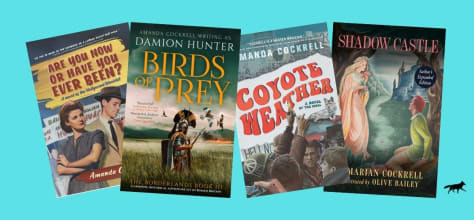
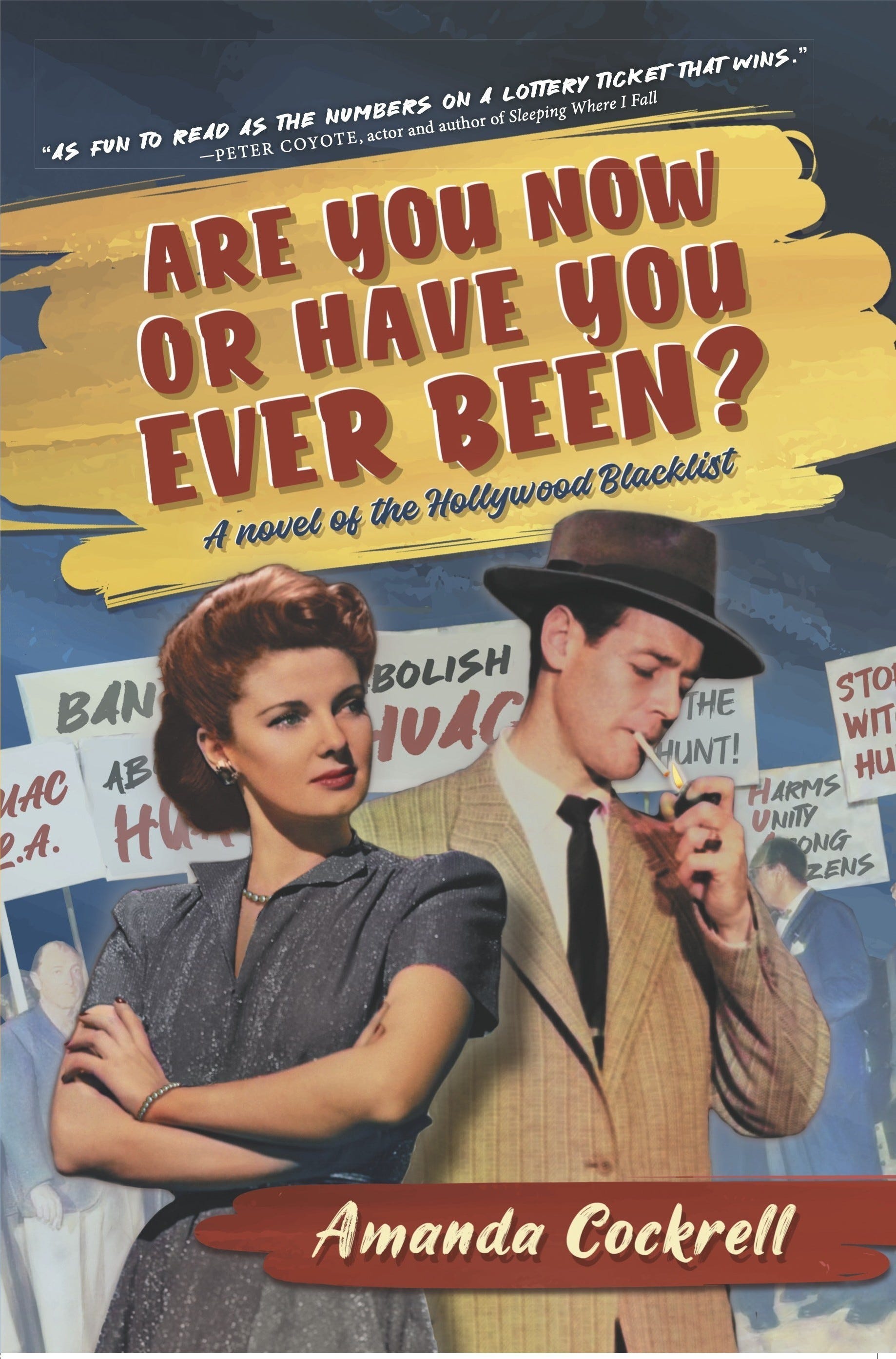
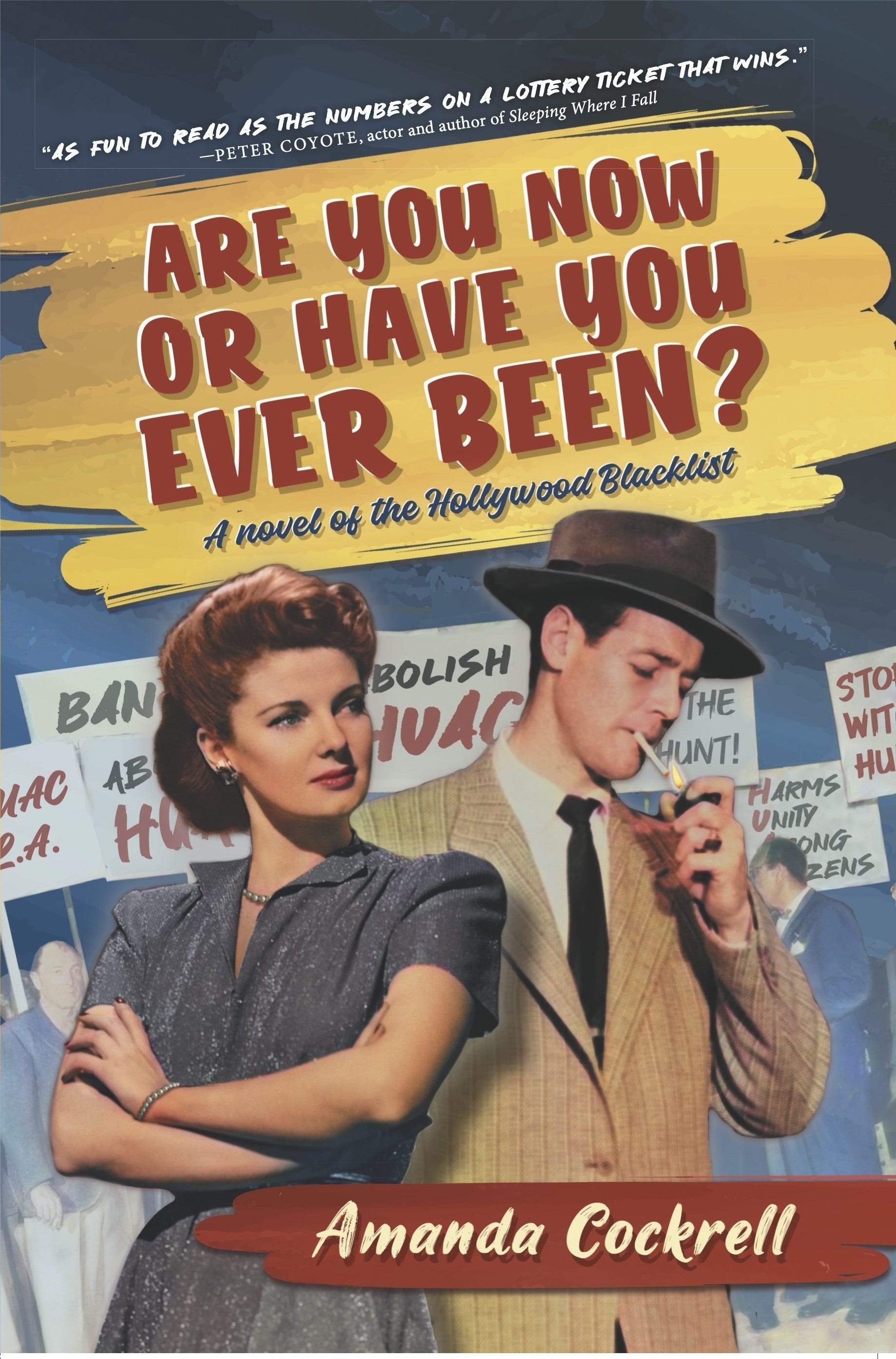
So I wrote a novel, Are You Now or Have You Ever Been? about the last time the political right began hunting the political left and calling them traitors.
Opposition to the government’s policies was considered grounds for harassment and even arrest, and those called before the House or Senate as suspected communists were pressured to turn in others to save themselves. It was not, I might add, actually illegal to be a communist, but writers and actors as well as others were hounded from their careers by the whisper of communist sympathies or just a refusal to accuse their friends. My parents watched friends’ careers be ruined by it, and waited to see if someone was going to name them, for any reason or for none.
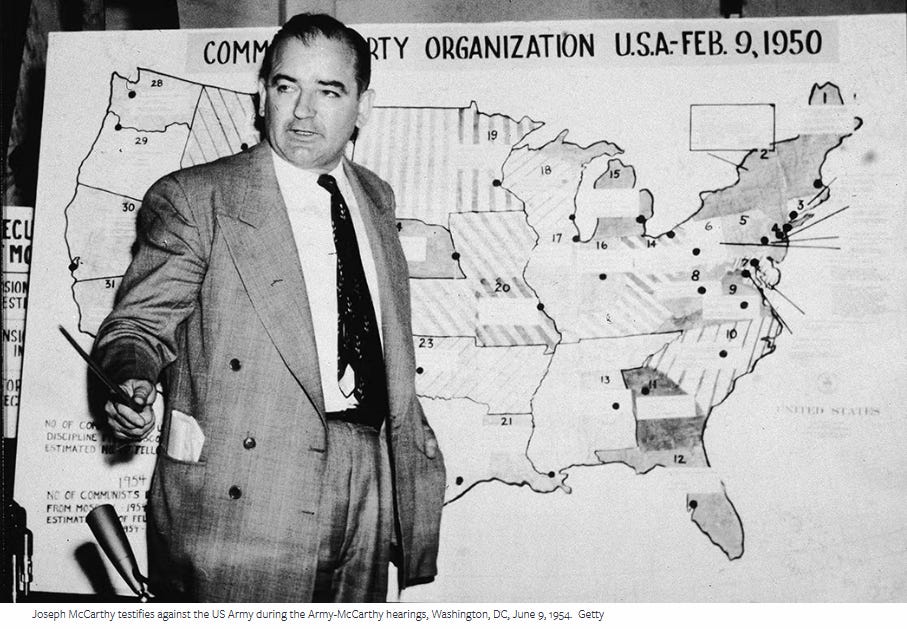
That campaign was driven by both the Un-American Activities Committee in the House of Representatives and Joseph McCarthy in the Senate. Here he is with one of his charts displaying what he claimed were communist cells within the United States, always without presenting any actual evidence.
McCarthy’s chief counsel and the man who cheerled much of the worst of the persecution was Roy Cohn, later Richard Nixon’s advisor and then Donald Trump’s. It’s Cohn’s ghost I hear now, echoed by his modern day counterpart Stephen Miller, whispering innuendo and outright falsehoods about anyone who defies whatever it is that the president wants this morning.
My parents were fairly left-wing but were never, so far as they knew, blacklisted themselves. There were times when they just didn’t get work. It might have been the usual inconvenience of a freelance career. It might have been something else. Maybe someone had mentioned them, maybe their names were similar to someone’s, maybe their friends were under suspicion, maybe anything. Then they got work again, and didn’t ask, because you couldn’t ask.
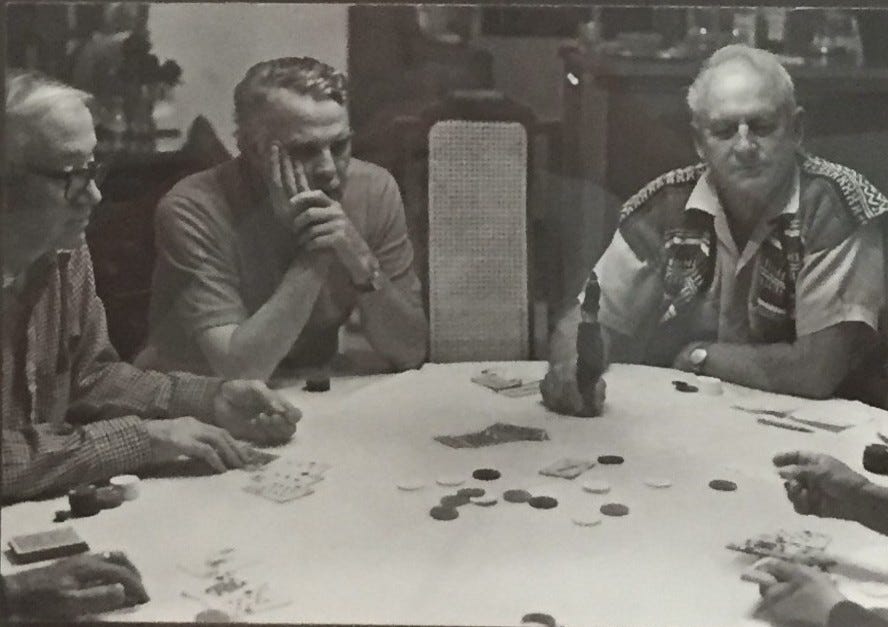
They did have friends who were blacklisted. Michael Wilson, on the right at a weekly poker game, with my father in the middle, wrote the screenplays for The Bridge on the River Kwai, Lawrence of Arabia, and Friendly Persuasion, among many others. In 1951 he appeared as an “unfriendly witness” before the House Un-American Activities Committee, refused to answer their questions, and was subsequently blacklisted. When The Bridge on the River Kwai won the Oscar for best screenplay, it was given to the author of the book on which the film had been based, who was very surprised indeed.
Mike Wilson died in 1978. In 1986 he was given posthumous screen credit for that and other films, and his wife and daughters were presented with his Oscar, which must have been small compensation.
My mother told me she was grateful to have dodged it, both for the obvious reasons and because they would have been pressured to talk about their friends and anyone else they knew in the industry. They had a living to make, a child to support, and a refusal to cooperate would have jeopardized all that, just as it had done for Mike Wilson.
Mike managed to keep writing but some actors and writers, particularly those at the start of their careers, left the industry entirely, driven out, hounded by the ghost of the blacklist long after it was officially over. That’s the thing about this kind of damage. It has ripples that spread and spread, and take years to fade away entirely.
That’s the premise of this novel. It stars Liza Jane Sydney, a restless and imperious actress of the old studio system who has come to roost finally in Ayala, my fictional version of Ojai, California, where I grew up. (Tony and I had an apartment in the building on the lower right in 1990. The picture was our Christmas card that year.)


She kicks off the plot by leaving a will that stipulates that she be buried in the oak grove behind her house, or else the whole thing is invalid and the numerous beneficiaries and charities and all the nonprofits she has supported will lose out. Are You Now or Have You Ever Been? is the third of my novels to be set in “Ayala,” and it is absolutely a place where that might happen.
Her niece has to sort out the trouble the will makes. In the meantime not only the paparazzi but all of Liza Jane’s former lovers, and the representatives of her various charitable beneficiaries, descend on her with opinions.
Throughout the novel, they sift out why she demanded to be buried in that particular spot, and at the end they find the blacklist at the bottom of it.
So how did the blacklist get started? Who decided we needed thought police? And saw disloyalty in opposition politics? It didn’t spring up full blown overnight, it played on old suspicions and discontents.
During the Great Depression of the 1930s, what we were doing didn’t seem to be working and what communism promised seemed as if it might be a fairer way. Membership in the Communist Party of the US increased, although by the late 30s many people had grown disillusioned with Stalin’s government. That by the way, wouldn’t matter. If you had ever been a member of the Party, or even gone to a meeting, you were toast.
Anyway, the government began suspecting links between the party and the film industry. A number of big stars were named as possible communists. They were cleared and things settled down because the start of World War II created an alliance of convenience with the Soviet Union. After the war when the Soviet Union developed nuclear weapons, the hunt for communists in American heated up again, particularly for possible spies. As it turned out, there had been a spy, but he was at Los Alamos, not writing screenplays.
The persecution of writers specifically started with the House Committee on Un-American Activities, with backing from J. Edgar Hoover and the FBI and launched by a column in The Hollywood Reporter that named a list of supposed communist sympathizers who were sneaking propaganda into American films. So-called “friendly witnesses” proclaimed themselves enthusiastic communist hunters. Anyone who refused to participate was an “unfriendly witness.”
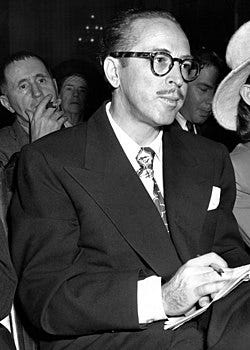
The first highly publicized case was the “Hollywood Ten,” all screenwriters who refused to testify. Dalton Trumbo, the writer of Roman Holiday among a slew of others, may be the best known of them but they included writers like Ring Lardner Jr., Alvah Bessie, and Edward Dmytryk. The Committee charged them with contempt of Congress and began criminal proceedings. They were all sentenced to a year in prison and then blacklisted. Only Dmytryk recanted and named names. The rest served their sentence and suffered the destruction of their careers.
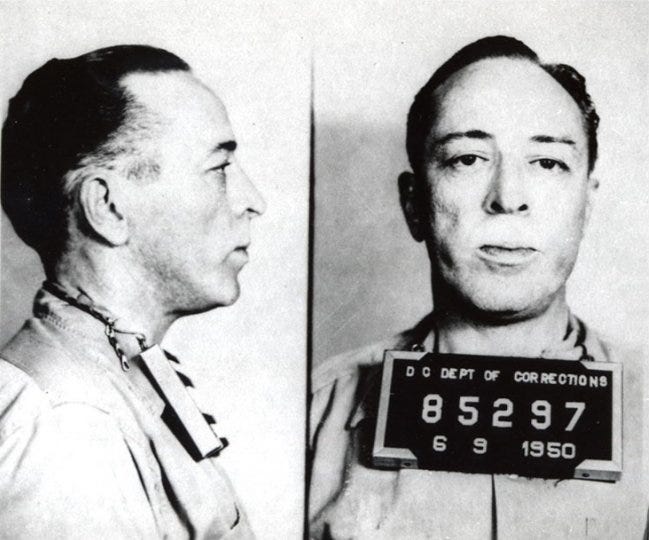
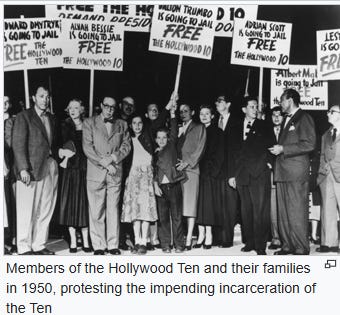
Bowing to political pressure, the studios declared they would not hire anyone suspected of being a party member or even of communist sympathies. Names circulated through the studios, built on suspicion or refusal to cooperate with the House Committee, and later with the Senate hearings spearheaded by McCarthy. Anything could put you under suspicion. Various supposedly patriotic organizations released lists of their own, producing a kind of graylist that could tank a career just as easily. Things like support for civil rights or protesting nuclear testing were enough to get a name on a list.
Blacklisted writers might still get work, under no name, or a pseudonym, or by using a “front,” someone who would claim to have written the screenplay and take a cut of the payment. No doubt producers looked the other way a lot. But a blacklisted writer could not get screen credit even if their script was produced, and in the film industry, screen credit is vital to a career.
The hearings produced exactly no evidence that anyone was spreading communist propaganda. That didn’t matter.
That’s the thumbnail on the blacklist. But it didn’t end all at once. It took years, and some writers’ careers never recovered. The first real break came in 1960 when Otto Preminger announced that Dalton Trumbo, one of the original Hollywood Ten, would get screen credit for his script for Exodus, and Paul Newman signed to play the lead. Following that, Kirk Douglas announced that Trumbo would also receive credit for Spartacus.
It’s made me think a lot about what my mother told me about that time. I was too young to notice as it was happening, but when I asked her about it years later, I began to remember small things, snatches of grown-up conversations overheard between my parents and their friends.
“They lived in France for five years, you know.”
“He was a front for a lot of people. He’d pitch a script for you, they’d pretend he’d written it as long as you stayed out of sight.”
“He’s teaching math in some high school, such a shame.”
“All he could sell was paperback thrillers that were nearly pornography to publishers who didn’t care.”
“There was an FBI man across the street in my neighbor’s driveway for a month.”
What would it have been like to see your friends become non-people, disappeared persons, a blank space in the air where they had been? How often would you wonder if it was going to happen to you? I wonder if my parents had an emergency plan. I never asked my mother. She might not have answered. I think a lot about what I might have done when friends were being betrayed by friends and by our country’s own government, and hope it would have been the right thing.
A lot of people turned on their friends, became “friendly witnesses” helping the government decide who to pursue next. A lot of people left the country. Writers, directors, actors, went to work in England or in France. Some never came back to the States.
As for us now, when writers and artists are the target of repression, it’s a sign they have something important to say. My Jewish husband introduced me to the concept of tikkun olam, which means to repair the world, with small actions or large ones. Sheltering the refugee, paying down a stranger’s medical debt, donating to a food drive, even feeding a stray cat, all come under that heading. Whatever we do to heal the world matters, and we all have the capability for the small action if not the large one. I think art too is a form of tikkun olam. Oppressive forces are afraid of art, in all its forms. They don’t trust it and never have, because art is made from a lot of people’s individual truths, making up one big one, unwieldy and often argumentative but stubbornly showing us things we need to see even if we would rather not. Maybe they’re right to be afraid of it.
When the Hollywood blacklist was in full force, there were people who fought back against it, at risk to themselves. Some picketed, protested, some quietly gave work to blacklisted writers even when they couldn’t give them screen credit. Some worked as “fronts,” marketing a blacklisted writer’s script to a producer under their own name. Not all of these actions were entirely altruistic, but they did help.
Trumbo’s screen credit for Exodus effectively ended the active blacklisting of writers but it came six years after McCarthy was discredited. He was finally brought down when he went after the Army. The Army’s lawyer Joseph Welch told McCarthy, when McCarthy tried to smear one of Welch’s staff, “Until this moment, I never really gauged your cruelty or your recklessness. ... Have you no sense of decency?” The hearings were broadcast live on all three television channels, which were all there was, so the entire country saw them and those words somehow broke the spell of McCarthy’s immense national popularity. Sensing which way the wind was blowing, the Senate finally censured him, his party ostracized him, and the press ignored him.
Whether or not the internet will ultimately serve the same purpose remains to be seen, but until then what we can do as writers is to keep writing.
Well done. A lot of Boomers have memories of this. Friends of your parents who
didn't (or couldn't) work. A number of mothers getting together, so their children
would play, and the mothers would watch the Army-McCarthy hearings on new TVs
bought for that reason. Remember this.