
What We Keep

Welcome to What We Keep, named for the title of my young adult novel from 2011, What We Keep Is Not Always What Will Stay, and indeed it isn’t, but this month has been pretty good.
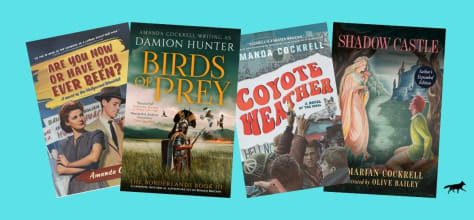
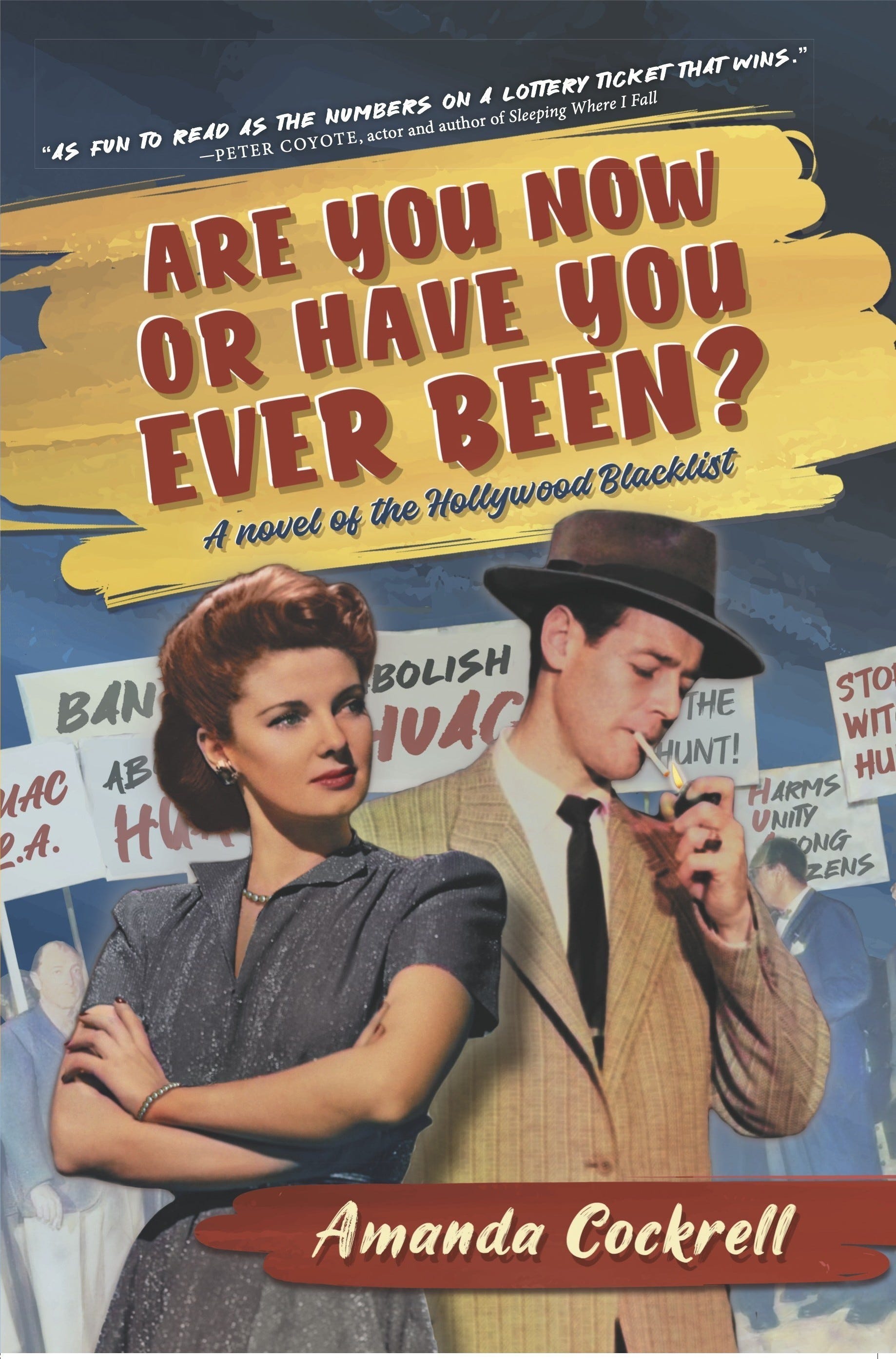
I have a new book out this past December on the Hollywood blacklist and one forthcoming in October about building Hadrian’s Wall, which is quite a time jump. The Roman books, which I write as Damion Hunter, have been my bread and butter in retirement since Canelo wanted to republish the early ones I had written for a book packager years ago. The blacklist book — my parents were screenwriters and they lived through it. They were never blacklisted themselves, so far as they knew, but some of their good friends were. And there were times when they just didn’t get work, and wondered uneasily if this was it. Had someone named them as suspected communists? It might have been the usual inconvenience of a freelance career. It might have been something else. Maybe someone had mentioned them, maybe their names were similar to someone’s, maybe anything. Then they got work again, and didn’t ask, because you couldn’t ask. While my mother was in the hospital after my birth, a very large-sum deal went south over a weekend. Maybe the producer just listened to the last person who talked to him, and that person said, “Oh, that will never make any money.” Or maybe instead someone said, “You know, Cockrell’s a friend of Michael Wilson,” a screenwriter who was probably under suspicion already, later refused to talk to the House Un-American Activities Committee, and was blacklisted for years. When I started writing that one, it was just a kind of family story, something I wanted to tell about. By the time it was published it had become gruesomely timely. There are a hell of a lot of parallels between now and the last time that the government decided that disagreeing with its policies was criminal. I’ll be at the Virginia Festival of the Book in Charlottesville on March 21 to talk about it.

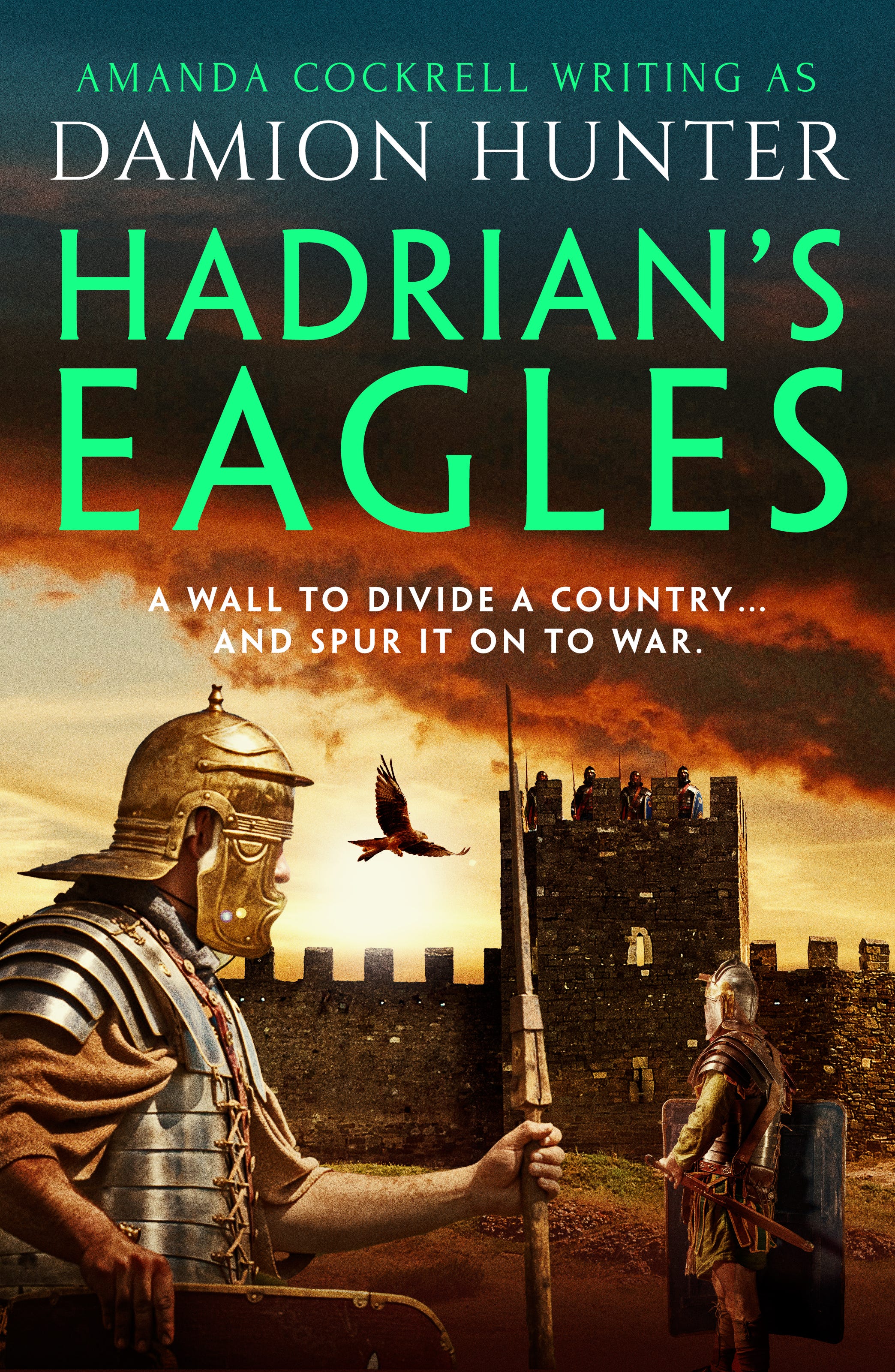
The Roman books are, increasingly, a chance to get the hell out of the 21st century and go live in (currently) the second century. This is not to say that they were nicer people then, but just that they are a long way away and I can to some extent control how close to the bone the things they do (and have to put up with) get to me. Readers who have liked my previous Roman novels will find a few old friends from other series appearing as secondary characters in this new one, Hadrian’s Eagles, about the building of Hadrian’s Wall. I feel about a particular period in history as I do about a well-constructed fantasy world: when you have built a solid “secondary world” you don’t mess with it. That’s why a few from Legions of the Mist and The Wall at the Edge of the World appear. Using Felix Appius Julianus, son of Correus from The Centurions series, as a main character was simply a fancy of mine. I always wondered what he might be like when he grew up.
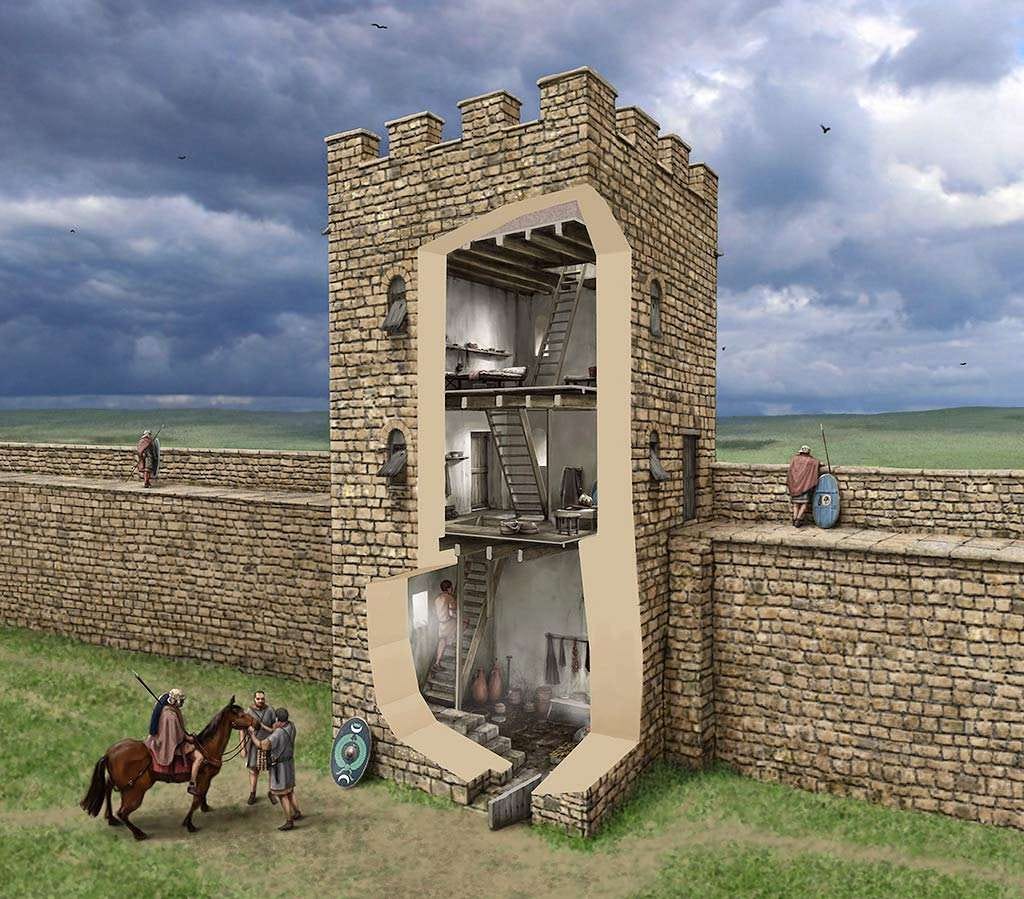
A reconstruction of one of the small turrets that dotted the Wall between the large forts and the mile forts.
We have also launched a beautiful new edition of my mother’s classic fairy tale Shadow Castle. There is a long backstory to getting the rights to this back, which is another whole post in itself, recounted here:
The Story of How the Fairies Put One Over on the Pirates
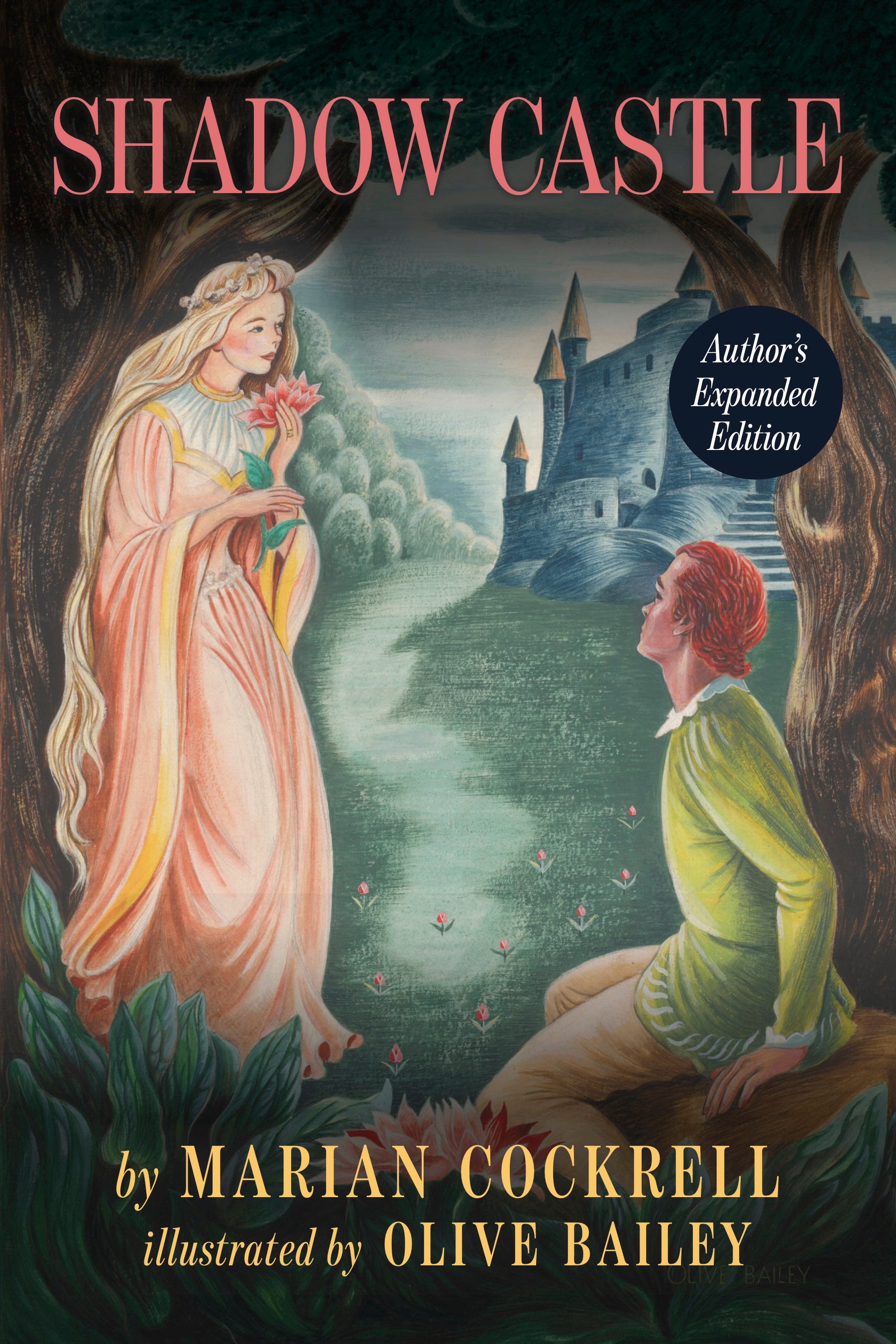
That is more book news that I have had in a long time, and very satisfactory. Writing is a jumpy profession and you never know when the universe will like your stuff and when it will tell you (rightly or wrongly) that it’s sludge.
I’ll end with a recommendation for two books that I recently read that I loved, Lavinia by Ursula K. Le Guin, and Nine Goblins by T. Kingfisher. Lavinia is a dreamlike reconstruction from the scraps that Virgil gives us of the woman destined to marry Aeneas and found Rome. Nine Goblins is everything best about fantasy that has a sense of humor and an undercurrent of things we really ought to think about as Sgt. Nessilka tries to shepherd her motley crew home through enemy territory.